
Moon colonization
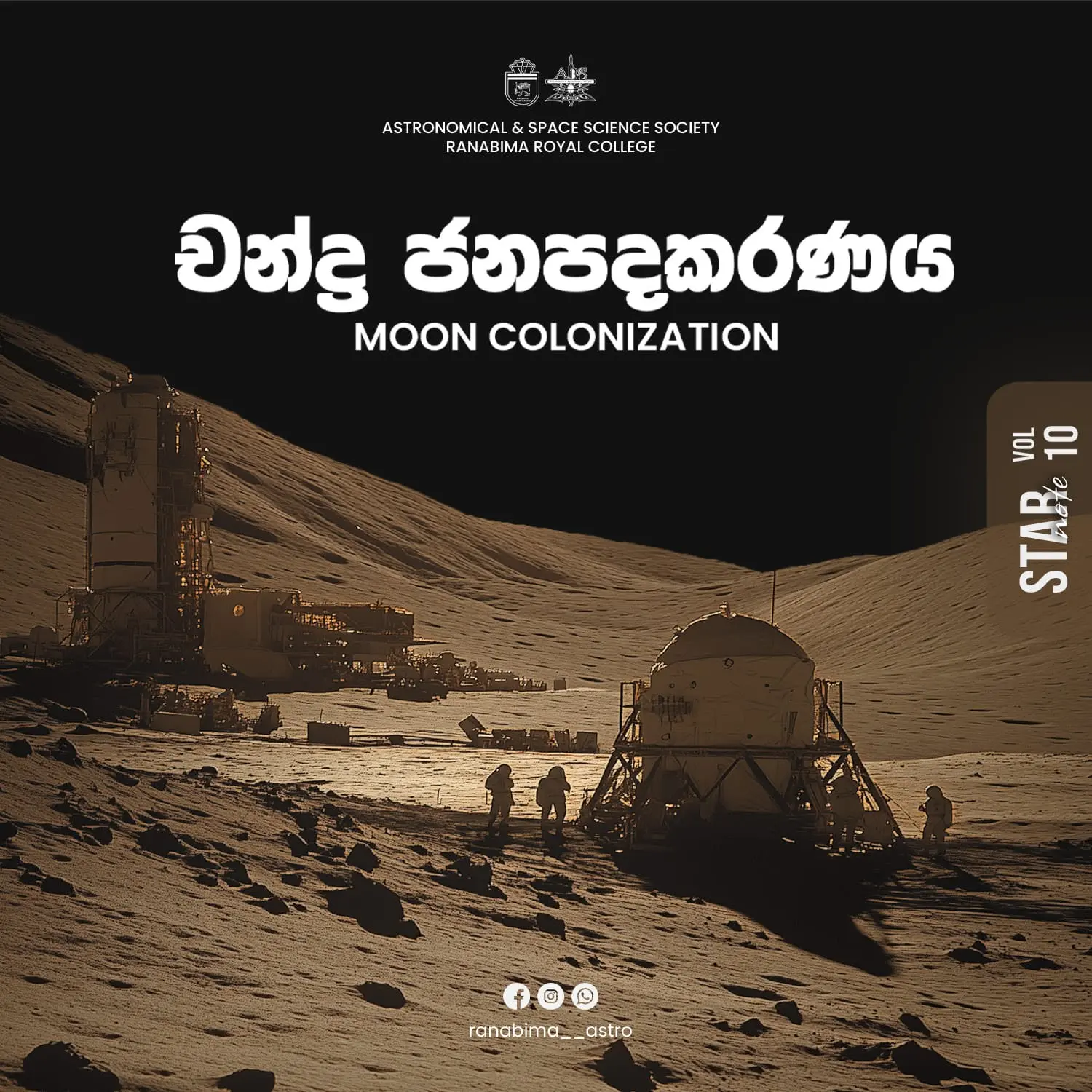
Moon colonization, hitherto reserved for science fiction, has started to be in the focus of attention from space agencies and private firms as an achievable objective. The Moon has strategic attractions as a base from which further exploitation of space may be facilitated by providing advantages in potential scientific research and resource extraction for future interplanetary missions. Because of its proximity to Earth, the Moon is only three days away by spacecraft, and thus it provides a very good testing ground for technologies needed for more ambitious ventures like Mars colonization. Governments and organizations worldwide are investing in infrastructure such as lunar habitats and energy systems to make a sustained human presence possible.
Among the main drivers for Moon colonization is the abundance of commodities. The surface of the Moon is made up of regolith rich in oxygen, metals, and water ice that could be transformed into breathable air, building materials, and rocket fuel. Another promising constituent is helium-3, an isotope that seldom occurs but could form a very potent nuclear fusion fuel. Employing these resources would allow a lunar base to become self-sufficient and self-supportive economically, decreasing dependency on Earth supplies. Moreover, the Moon, with its low gravity and no atmosphere, is just the right place for launching spacecraft further into space with lower costs.
However, colonizing the Moon comes with its share of extreme difficulties. The extreme temperatures, lack of a breathable atmosphere, and harmful radiation call for some really brilliant solutions to build the habitat and maintain life. Further, there are the ethical and legal questions on land ownership and extraction that need to be sorted for lunar colonization to be truly beneficial to all of humankind. While such challenges are to be faced, it is actually possible that this Moon colonization in joint effort by the nations and private involvement may happen within these coming decades, ultimately opening the gates for humanity toward space.
***
මෙතෙක් විද්යා ප්රබන්ධයක්ව තිබූ චන්ද්ර ජනපදකරණය, සාක්ෂාත් කරගත හැකි අරමුණක් ලෙස අභ්යවකාශ ආයතනවල සහ පෞද්ගලික ආයතනවල අවධානයට ලක් වීමට පටන් ගෙන ඇත. අනාගත අන්තර් ග්රහලෝක මෙහෙයුම් සඳහා විද්යාත්මක පර්යේෂණ සහ සම්පත් නිස්සාරණය කිරීමේ හැකියාව ලබා දීමේ මූලස්ථානයක් ලෙස චන්ද්රයා උපාය මාර්ගික වශයෙන් භාවිතා කළ හැකිය. පෘථිවියට සමීප වීම නිසා, චන්ද්රයා අභ්යවකාශ යානා මඟින් දින තුනකින් පමණක් සදට ලඟා විය හැක ඇති අතර, එබැවින් එය අඟහරු ජනපදකරණය වැනි වඩාත් අභිලාෂකාමී ව්යාපාර සඳහා අවශ්ය තාක්ෂණයන් සඳහා ඉතා හොඳ පරීක්ෂණ භූමියක් සපයයි. ලොව පුරා රජයන් සහ සංවිධාන තිරසාර මානව පැවැත්මක් ඇති කිරීම සඳහා චන්ද්ර වාසස්ථාන සහ බලශක්ති පද්ධති වැනි යටිතල පහසුකම් සඳහා ආයෝජනය කරයි.
සඳ ජනපදකරණයේ ප්රධාන අභිලාෂයන් අතර සම්පත් බහුලත්වය ප්රධාන වේ. චන්ද්රයාගේ මතුපිට ඔක්සිජන්, ලෝහ සහ ජල අයිස් වලින් පොහොසත් රෙගොලිත් වලින් සමන්විත වන අතර එය හුස්ම ගත හැකි වාතය, ගොඩනැගිලි ද්රව්ය සහ රොකට් ඉන්ධන බවට පරිවර්තනය කළ හැකිය. තවත් බලාපොරොත්තු සහගත සංඝටකයක් වන්නේ හීලියම්-3, කලාතුරකින් සිදු වන නමුත් ඉතා ප්රබල න්යෂ්ටික විලයන ඉන්ධනයක් සෑදිය හැකි සමස්ථානිකයකි. මෙම සම්පත් භාවිතා කිරීමෙන් චන්ද්ර ජනපදය ස්වයංපෝෂිත වීමට සහ ආර්ථික වශයෙන් ස්වාධීන වීමට ඉඩ සලසයි, එයින් පෘථිවිය මත යැපීම අඩු වේ. එපමනක් නොව, අඩු ගුරුත්වාකර්ෂණ බලයක් සහ වායුගෝලයක් නොමැති චන්ද්රයා, අඩු වියදම් සහිත අභ්යවකාශ යානා තවදුරටත් අභ්යවකාශයට දියත් කිරීමට සුදුසුම ස්ථානයයි.
කෙසේ වෙතත්, චන්ද්රයා ජනපදකරණය කිරීම අතිශය දුෂ්කරතාවයන් සහිත කාර්යයකි. අධික උෂ්ණත්වය, හුස්ම ගත හැකි වායුගෝලයක් නොමැතිකම සහ හානිකර විකිරණ වාසස්ථාන ගොඩනැගීමට සහ ජීවය පවත්වා ගැනීමට ඇත්තෙන්ම ප්රායෝගික විසඳුම්වල අවශ්යතාව පෙන්වා දෙයි. තවද, සියලු මනුෂ්ය වර්ගයාට සැබවින්ම ප්රයෝජනවත් වන පරිදි චන්ද්ර ජනපදකරණය සඳහා වර්ග කළ යුතු ඉඩම් හිමිකම සහ නිස්සාරණය පිළිබඳ සදාචාරාත්මක සහ නීතිමය ප්රශ්න තිබේ. එවැනි අභියෝගවලට මුහුණ දීමට සිදු වුවද, ඇත්ත වශයෙන්ම, ජාතීන් සහ පෞද්ගලික මැදිහත්වීම ඒකාබද්ධව මෙම චන්ද්ර ජනපදකරණය මෙම ඉදිරි දශක කිහිපය තුළ සිදු විය හැකි අතර, අවසානයේ දී මානව වර්ගයාට අභ්යවකාශය සඳහා දොරටු විවර කළ හැකිය.
🌕♥️🇬🇦
#Star_note
#A3S
#RRCK
#Ranabima_astro


